

Pumping 101: Maximizing Your Breastmilk Supply

Updated: Apr 9
Breastfeeding is a natural and beautiful way to nourish your baby, but for many mothers, pumping breastmilk becomes an essential part of the journey. Whether you’re returning to work, dealing with supply issues, or simply want to build a stash for later, understanding how to maximize your breastmilk supply while pumping can make all the difference. In this guide, we’ll explore effective strategies, tips, and techniques to help you pump efficiently and ensure your little one gets the best nutrition possible.
Understanding Your Milk Supply
Before diving into pumping techniques, it’s crucial to understand how your milk supply works. Breastmilk production is largely driven by demand. The more frequently you empty your breasts, the more milk your body will produce. Here are some key points to consider:
Hormonal Influence: Prolactin is the hormone responsible for milk production. After the birth of your baby prolactin will continue to produce and increase supply if a baby breastfeeds or by maintaining supply by pumping.
Supply and Demand: If your baby is nursing frequently, your body will respond by producing more milk, thus the phrase, supply and demand.
Storage Capacity: Each woman has a unique storage capacity for breastmilk. Some may produce more milk at once, while others may need to pump more frequently to meet their baby’s needs.
Choosing the Right Pump
Selecting the right breast pump is essential for maximizing your pumping experience. Here are some options to consider:
Manual Pumps: These are cost-effective, portable, completely silent with no motor. They are ideal for occasional pumping, or to relieve some breast fullness prior to a feeding. This pump is lightweight, affordable, easy to carry in a diaper bag, and convenient for emergency use during travel.
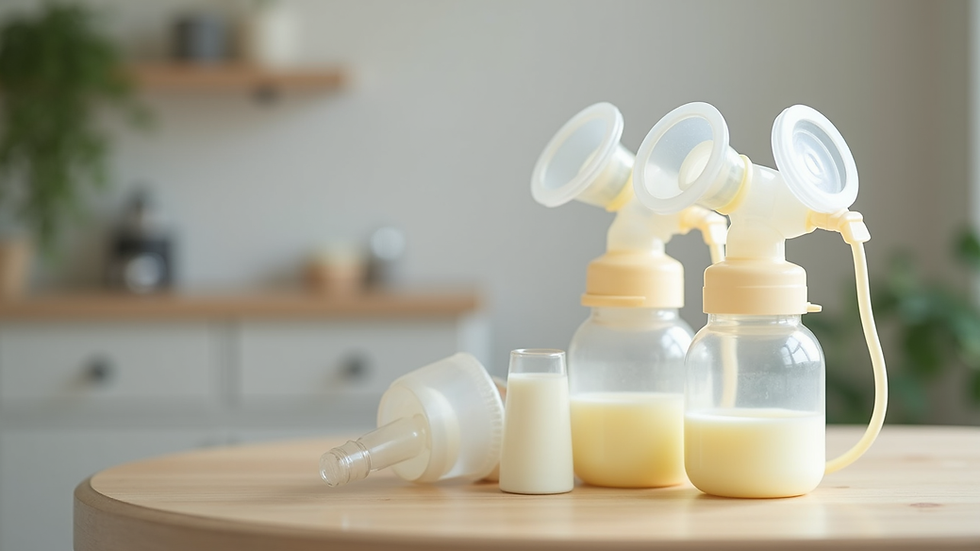
Electric Pumps: These are more efficient and can help you pump both breasts simultaneously. They are great for regular use or when returning to work to maintain a milk supply.
Hospital-Grade Pumps: If you have specific needs, such as low supply or premature birth, hospital-grade pumps are considered the gold standard in lactation care, offering the most effective support for establishing and maintaining milk supply- particularly during the critical early postpartum period or when feeding challenges are present.
Techniques for Effective Pumping
To maximize your breastmilk supply, consider these pumping techniques:
Double Pumping: Using a double electric pump can help you express more milk in less time. This method also stimulates more milk production due to the increased hormonal response. When using a breast pump, ensure your flange size fits properly for optimal milk expression. Seek guidance from a lactation consultant prior to discharge to support a comfortable and effective pumping experience.
Massage: Gently massaging your breasts towards the nipple while pumping can help release more milk. This will also help stimulate a letdown, improve milk flow and increase milk removal during feeding or pumping.
Relaxation Techniques: Stress can hinder milk letdown. Try to create a calm environment while pumping. Listening to soothing music or practicing deep breathing can help.
Storing and Handling Breastmilk
Proper storage and handling of breastmilk are essential to ensure its safety and quality. Here are some guidelines:
Storage Containers: Use BPA-free bottles or breastmilk storage bags. Label each container with the date and time of pumping.
Refrigeration: Freshly pumped breastmilk can be stored in the refrigerator for up to 4 days. If you won’t use it within that time, consider freezing it.
Freezing: Breastmilk can be frozen for up to 4 months in a standard freezer and up to 6 months in a freezer. Always thaw milk in the refrigerator or under running warm water, never in the microwave.
Maintaining Your Pump
To ensure your pump remains effective, regular maintenance is key. Here are some tips:
Clean After Each Use: Wash all parts that come into contact with breastmilk in warm, soapy water. Rinse thoroughly and allow to air dry after each use. Sanitize before first use and daily.
Check for Wear and Tear: Regularly inspect your pump parts for any signs of damage or wear. Replace parts as needed to maintain optimal performance.
Follow Manufacturer Instructions: Always refer to the user manual for specific cleaning and maintenance guidelines for your pump model.
Support and Resources
Pumping can be a challenging journey, and it’s important to seek support when needed. Here are some resources to consider:
Lactation Consultants: A certified lactation consultant can provide personalized guidance and support for your pumping journey.
Support Groups: Joining a local breastfeeding support group can connect you with other mothers who share similar experiences and challenges.
Online Resources: Websites and forums dedicated to breastfeeding and pumping can offer valuable tips and community support. Kellymom.com is a reputable site that provides evidence-based information.
Final Thoughts
Maximizing your breastmilk supply while pumping is achievable with the right knowledge and techniques. By understanding your body, choosing the right pump, establishing a routine, and troubleshooting common issues, you can create a successful pumping experience. Remember, every mother’s journey is unique, and it’s important to find what works best for you and your baby.
Take the time to educate yourself, seek support, and most importantly, be kind to yourself during this process. Your efforts to provide the best nutrition for your little one are commendable, and with persistence, you can achieve your pumping goals.

Comments